How to Prepare for Your IV Therapy Session
Five practical steps that make an IV therapy appointment go faster and more comfortably — from what to eat beforehand to what to wear.
In this article
Most of what makes an IV session comfortable happens before you arrive. Five things worth doing.
1. Eat something first
Come with food in your stomach. Arriving fasted is the most common reason someone feels lightheaded during a session. A normal meal an hour or two beforehand is plenty.
2. Drink water the day before
This sounds backwards — you are coming in for fluids. But well-hydrated veins are easier to access, which means less time spent finding one and a more comfortable start.
3. Wear sleeves that move
Short sleeves, or sleeves that push above the elbow without cutting off circulation. Fitted long sleeves are the usual culprit when someone has to change.
4. Bring your medication list
Including supplements. Bring the list even if you think nothing on it matters — that is a judgment for the nurse practitioner to make, not something to guess at.
5. Plan for the time
Sessions vary in length depending on the formula. You will be seated the whole time, so bring headphones, a book, or something to work on.
What happens during the session
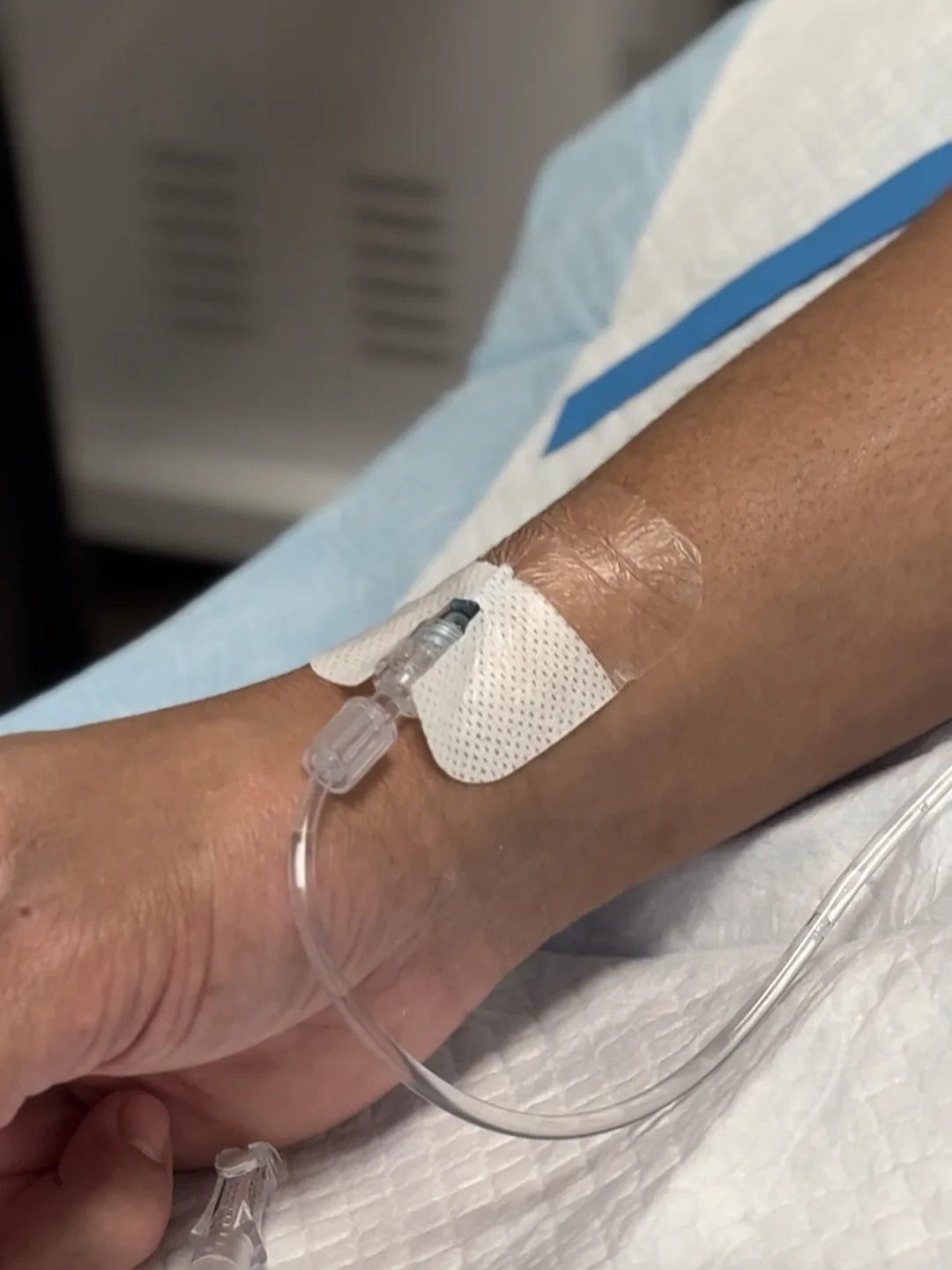
A nurse practitioner reviews your intake and confirms the formula is appropriate for you. Placement takes a minute or two. After that you sit comfortably while the drip runs.
You can read, work, scroll, or nap. Most people are surprised at how uneventful it is.
Afterward
You can drive yourself home and return to a normal day. Some people notice a difference the same afternoon, others the next morning, and some notice nothing dramatic at all — that is within the normal range of responses.
Keep drinking water and eat normally.
Choosing a formula
We offer several formulas, and the right one depends on what you are coming in for. If you are not sure, book the consultation rather than guessing — it exists precisely for that conversation.
Questions first? Call (281) 965 6118.
Important: This article is general information, not medical advice. It does not replace the instructions of your surgeon or physician. If you are recovering from surgery, always follow your surgical team's guidance and contact them with any concerns about your recovery.