Manual Lymphatic Drainage, Explained Simply
What manual lymphatic drainage actually is, why the pressure is so much lighter than people expect, and how it differs from a regular massage.
In this article
Almost every new patient asks the same question within the first ten minutes: “Is that all the pressure you’re using?”
Yes. And that is the point.
What the lymphatic system does
Alongside your blood circulation, your body runs a second network — the lymphatic system. Its job includes collecting excess fluid from your tissues and returning it to circulation.
Unlike your blood, which has a heart pushing it, lymph has no pump. It moves through movement, breathing, and muscle contraction. That detail explains everything about how this treatment works.
Why the pressure is so light
The vessels that collect this fluid sit just beneath the skin — far shallower than most people assume. Firm pressure compresses them shut. Light, rhythmic, directional contact is what encourages them to move fluid along.
If it feels like a deep tissue massage, it is not manual lymphatic drainage. They are different treatments with different goals.
This is also why a session cannot be rushed. The work is slow because the system it works with is slow.
How it differs from a regular massage
| Manual lymphatic drainage | Deep tissue massage | |
|---|---|---|
| Pressure | Very light | Firm to intense |
| Target | Fluid just under the skin | Muscle and connective tissue |
| Pace | Slow, rhythmic, repetitive | Variable |
| How you feel after | Light, often needing the bathroom | Worked, sometimes sore |
Both are legitimate. They simply do different jobs, and one is not a stronger version of the other.
Who it is commonly used for
Manual lymphatic drainage is most often part of a post-surgical recovery plan, particularly after procedures that involve swelling. It is also used outside of surgical recovery.
Whether it is appropriate for you specifically is a clinical question. There are conditions for which it is not recommended, which is why intake includes a health history rather than going straight to the table.
If you are recovering from surgery, your surgeon’s clearance comes first. We ask for it before beginning.
What a session looks like
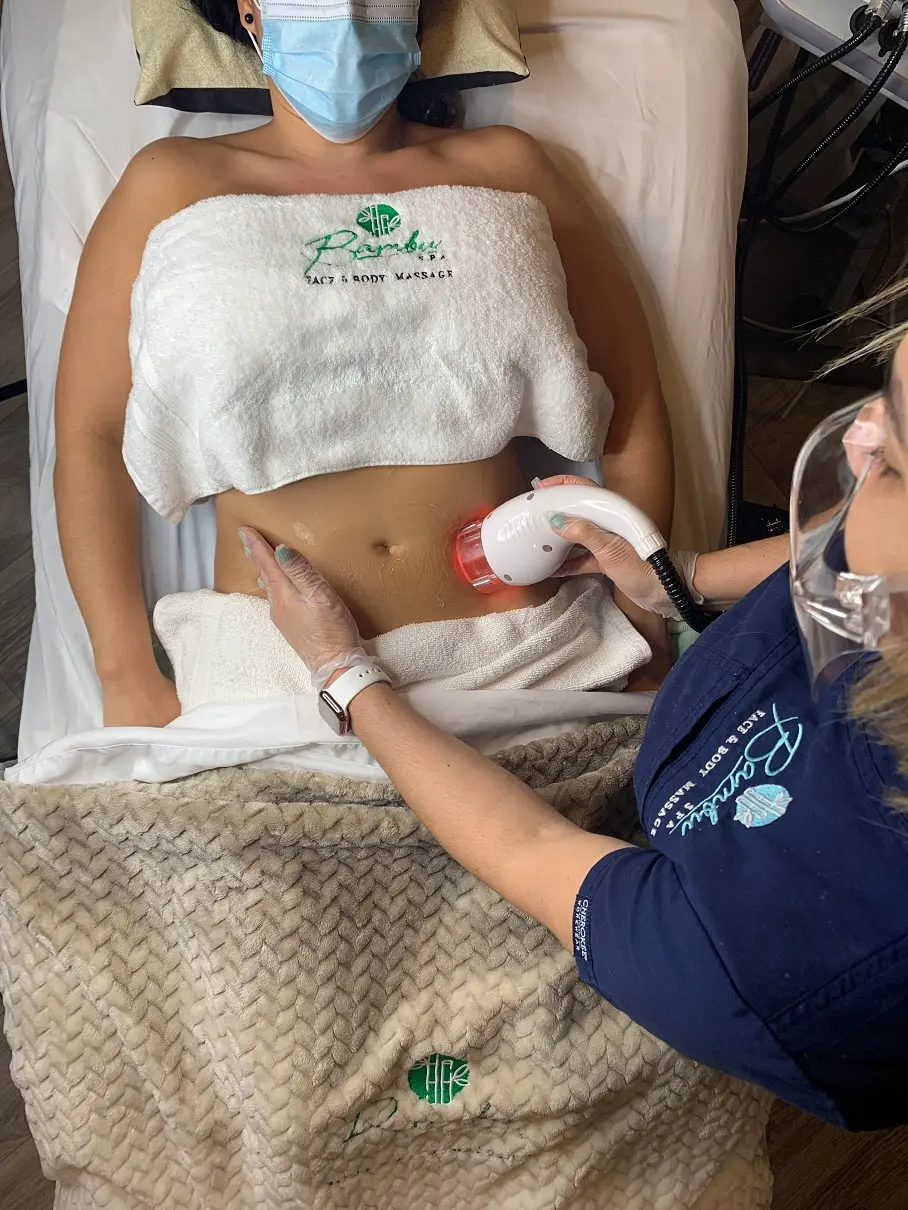
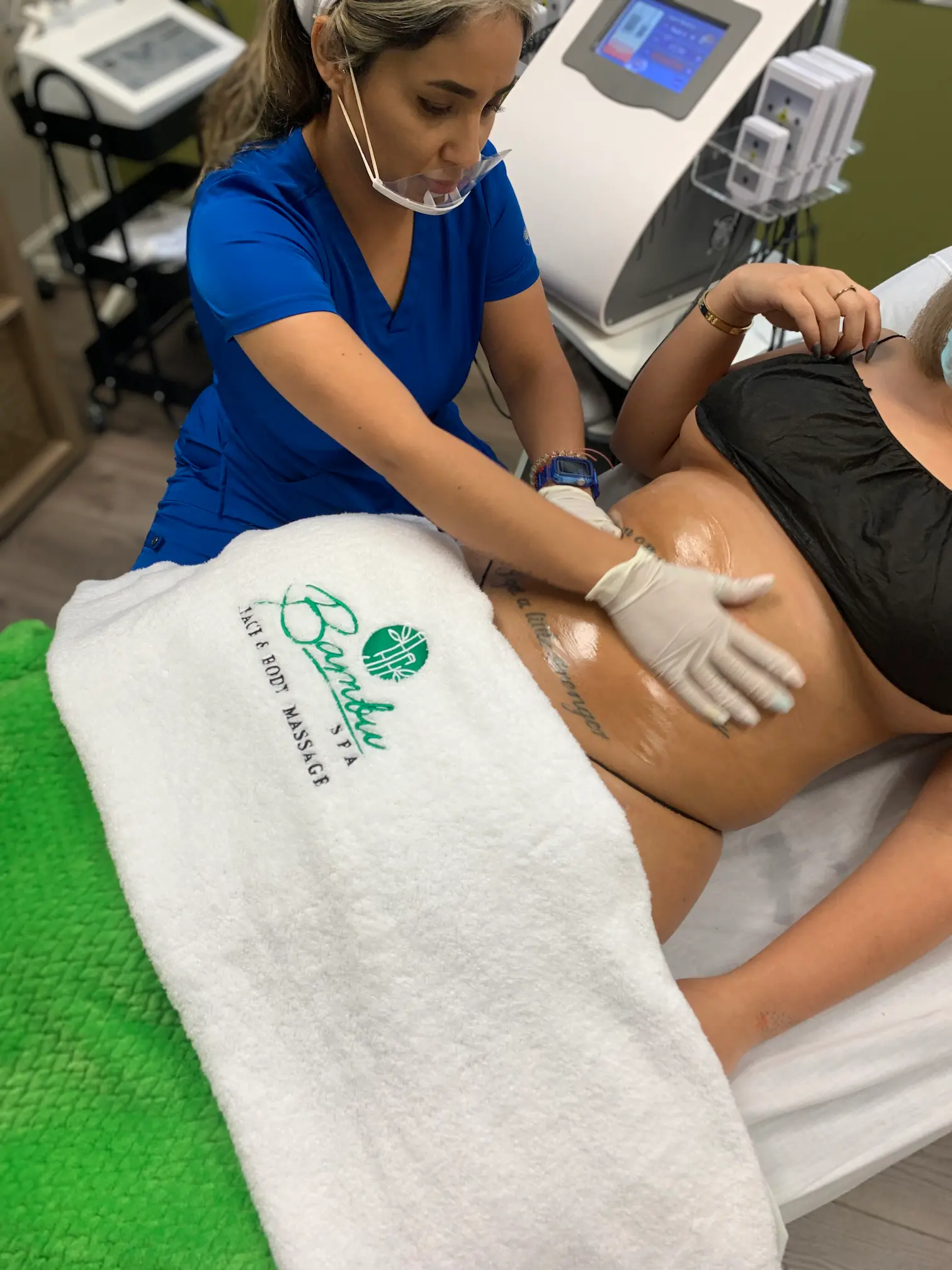
Sessions run about 60 minutes. You are draped throughout, the room is warm, and the work is systematic — it follows the direction the fluid needs to travel rather than moving around at random.
Most people find it deeply relaxing. It is common to fall asleep.
Afterward
Expect to use the bathroom more than usual over the following hours. That is the fluid leaving. Drink water, and take it easy if you can.
Not sure whether this is the right treatment for you? Call (281) 965 6118 and ask. We would rather point you toward the right service than book you into the wrong one.
Important: This article is general information, not medical advice. It does not replace the instructions of your surgeon or physician. If you are recovering from surgery, always follow your surgical team's guidance and contact them with any concerns about your recovery.